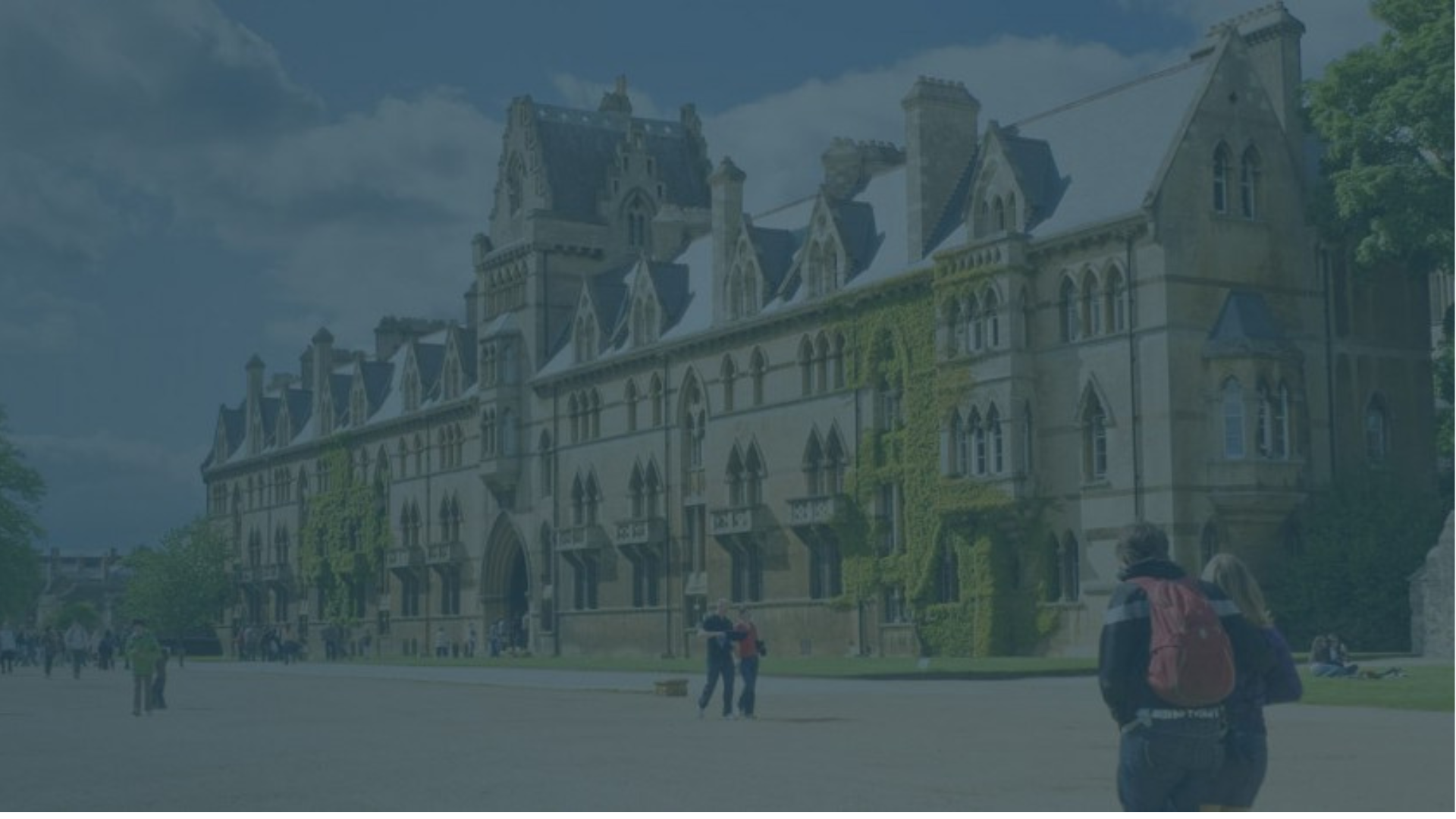


Tomorrow is Ivy Day. In a matter of hours, thousands of families will celebrate or feel disappointed based on acceptance rates that now sit in the low single digits.
For seniors, it marks the end of a long process. But for families with students in grades 8-11, it’s also a useful moment to step back and look at the bigger picture.
The conversation around Ivy Day is almost always about getting in. What’s discussed far less is what happens after.
Recent data shows unemployment for recent college graduates has climbed above 7%, while hiring for entry-level white-collar roles has softened, particularly in areas most exposed to AI. At the same time, the cost of attendance at many of the most selective universities is now approaching (or exceeding) $100,000 per year.
For a long time, the assumption was that a top college was a kind of safety net. Do well in high school, get into a great school and the rest would largely take care of itself.
That assumption is starting to feel less certain.
The types of roles recent graduates used to step into – basic analysis, early-stage coding, research support – are exactly where automation is moving fastest. Employers are becoming more selective and are often looking for candidates who can contribute more quickly.
At the same time, the gap between schools in terms of outcomes has become more visible. The brand still matters, but it is increasingly being complemented by the infrastructure around it – access to internships, co-op programs, employer pipelines and opportunities to build real experience before graduation.
Students who graduate with that kind of experience tend to enter the job market with a clear advantage.
That doesn’t mean highly selective schools have lost their value. They haven’t. But it does suggest that how a student uses their time – both before and during college – is becoming just as important as where they enroll.
Students who use high school to go deeper and actually build something – research, a project, a business or meaningful work experience – tend to be in a much stronger position later on.
Ivy Day always carries a lot of emotion. But for families earlier in the process, it’s a reminder that getting in is only part of the equation.
What matters just as much is what a student is able to do once they arrive.

Marc is the author of Untangling the Ivy League, a best-selling guidebook on the Ancient Eight. He earned a BA from Cornell University and an MBA from University of North Carolina – Chapel Hill. Marc chaired the admissions ambassadors at Cornell and the admissions advisory board at UNC.