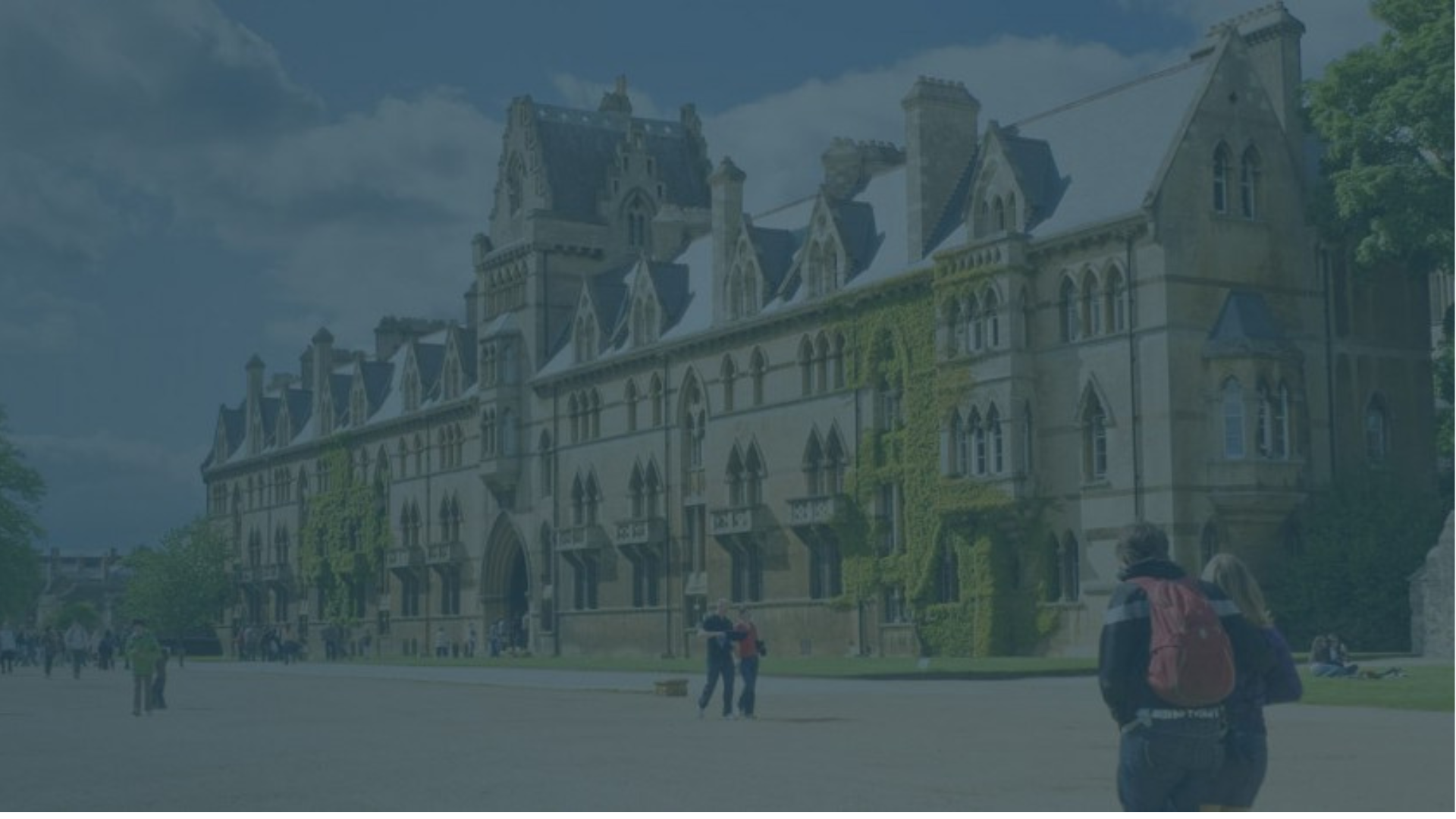


This week, the New York Post published a feature on what it called the “Ivy Whisperers” — a small group of admissions consulting firms helping families navigate today’s increasingly competitive college admissions landscape. We were proud to have AcceptU included.
Reading through the piece, I found myself thinking about how much the admissions process has changed since we started AcceptU sixteen years ago.
Back then, the process felt comparatively contained. There was stress, of course, but there was also a sense that the process was at least somewhat understandable.
Today, admissions feels far more public — and far more analyzed.
Students grow up surrounded by rankings, decision reaction Instagrams, Reddit threads and endless conversations about what “top schools” are supposedly looking for. Families hear stories about students launching nonprofits in middle school or conducting research before they can drive. Even people trying to ignore the noise inevitably absorb some of it.
At the same time, the admissions landscape itself has become harder to interpret. Acceptance rates at highly selective colleges have dropped dramatically while application volume has surged. A student can appear exceptionally qualified on paper and still face unpredictable outcomes.
I think that combination — increased visibility alongside increased uncertainty — is what has fundamentally changed the emotional experience for many families.
Not that long ago, there was a fairly common belief that strong grades, rigorous coursework and meaningful involvement would generally put a student in a good position. Today, even highly accomplished students often feel unsure about how they’ll ultimately be evaluated relative to thousands of other applicants who also look impressive on paper.
And in some ways, that uncertainty makes sense.
At the most selective schools, admissions decisions are rarely about determining whether a student is qualified. Large portions of the applicant pool are. The distinctions admissions officers discuss are much more nuanced and difficult to reduce to simple formulas.
Ironically, though, I don’t think the underlying qualities admissions offices value have changed nearly as much as people assume.
Curiosity still matters. Intellectual engagement still matters. So do authenticity and the ability to pursue something with depth over time.
What’s changed is the environment surrounding those qualities. The process has become louder, more visible and much harder for families to interpret from the outside.

Marc is the author of Untangling the Ivy League, a best-selling guidebook on the Ancient Eight. He earned a BA from Cornell University and an MBA from University of North Carolina – Chapel Hill. Marc chaired the admissions ambassadors at Cornell and the admissions advisory board at UNC.